
In today’s fast-moving world, most people don’t pause until something breaks, not prioritizing mental wellness. . Stress builds silently, small mistakes compound, and before long, individuals find themselves overwhelmed—emotionally, mentally, or even professionally. This is where counselling typically enters the picture. But by design, counselling is often a reactive solution.

Data from the World Health Organization suggests that a significant percentage of adolescents and young adults experience mental health challenges, yet many seek help only after symptoms intensify.
Similarly, insights from the American Psychological Association indicate that people are more likely to approach counselling during periods of crisis rather than as a preventive measure. In essence, counselling helps individuals process what has already happened—it is powerful, necessary, but often late in the cycle.
This raises an important question: what if we could intervene earlier?
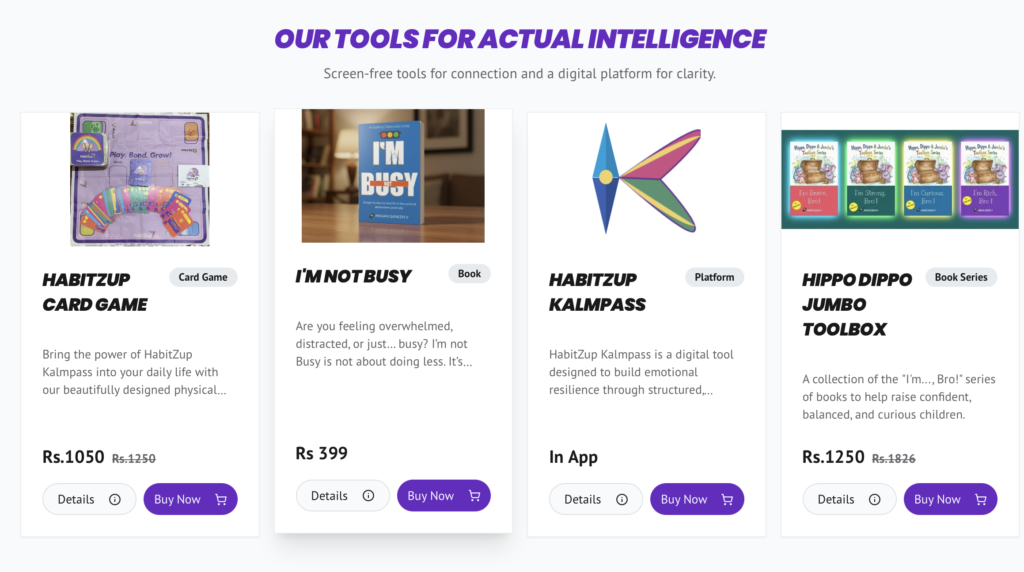
Kalmpass is built on this exact premise. Instead of waiting for mistakes to surface, it encourages individuals to reflect before reacting. It operates as a structured clarity system, guiding users through everyday situations—academic pressure, emotional conflicts, digital distractions, and decision fatigue—before these turn into larger problems.
At the core of Kalmpass are two simple yet powerful tools:
Blueprints and the Mentor Box.
Blueprints help users think through scenarios in advance—almost like rehearsing life decisions.

The Mentor Box, on the other hand, acts as a moment of pause, helping regulate emotions before they spill over into actions.
Mental Wellness
Consider a student about to procrastinate or a professional on the edge of burnout. In a reactive system, intervention happens after consequences—missed deadlines or exhaustion. In a proactive system like Kalmpass, the individual recognizes early signals, reflects, and adjusts course.
This shift—from reaction to prevention—is subtle but transformative. It reduces the cost of mistakes, builds self-awareness, and strengthens everyday decision-making.
Counselling will always remain essential. But relying on it alone is like visiting a doctor only after falling seriously ill. Kalmpass complements this by becoming a daily mental fitness practice—one that quietly prevents issues before they demand repair.
Because sometimes, the smartest solution is not fixing the mistake—it’s never making it in the first place.

Key References & Data Sources
- World Health Organization (WHO)
- Adolescent Mental Health (2021)
- Key Insight: “One in seven 10–19-year-olds experiences a mental disorder globally.”
- Also highlights that most conditions remain undetected and untreated.
- Source: https://www.who.int/news-room/fact-sheets/detail/adolescent-mental-health
- American Psychological Association (APA)
- Stress in America Survey (2023)
- Key Insight: Majority of adults report seeking help only during high stress or crisis periods, not preventively.
- Shows a clear pattern of reactive mental health behavior.
- Source: https://www.apa.org/news/press/releases/stress
- National Institute of Mental Health (NIMH)
- Mental Illness Statistics
- Key Insight: Many individuals delay seeking treatment until symptoms significantly interfere with daily life.
- Reinforces late-stage intervention trend.
- Source: https://www.nimh.nih.gov/health/statistics
- **Harvard Medical School / Harvard Health Publishing
- Topic: Preventive Mental Health & Emotional Regulation
- Key Insight: Early self-awareness practices (reflection, journaling, mindfulness) can reduce severity of future mental health issues.
- Supports proactive models like Kalmpass.
- Source: https://www.health.harvard.edu
- McKinsey & Company Report on Mental Health (2022)
- Key Insight: Companies are shifting toward preventive mental wellness programs rather than only offering reactive support like counselling.
- Indicates a broader systemic shift toward proactive frameworks.
- Source: https://www.mckinsey.com